

سعر الدينار الأردني مقابل الجنيه المصري في البنوك المصرية بنهاية يوم التداول.
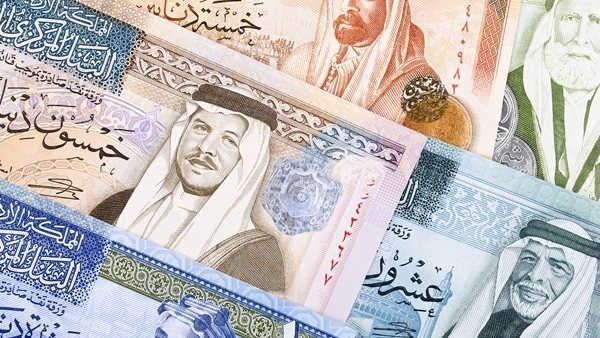
The exchange rate of the Jordanian dinar remained stable against the Egyptian pound at the central bank and various banks in Egypt during the trading sessions on Saturday.
Here is an overview of the Jordanian dinar’s exchange rate against the Egyptian pound in Egyptian banks.
Jordanian Dinar Exchange Rate at the Central Bank of Egypt
The Jordanian dinar’s rate at the Central Bank of Egypt was approximately 66.36 EGP for buying and 66.73 EGP for selling.
Jordanian Dinar Exchange Rate at Bank Misr
At Bank Misr, the rate stood at around 66.12 EGP for buying and 66.77 EGP for selling.
Jordanian Dinar Exchange Rate at the National Bank of Egypt
For the National Bank of Egypt, the rate was about 66.01 EGP for buying and 66.71 EGP for selling.
About the Jordanian Dinar
The Jordanian dinar is the official currency of the Hashemite Kingdom of Jordan, symbolized as (JOD), and is issued by the Central Bank of Jordan.
It is regarded as a relatively stable currency in the Arab region and enjoys significant trust in regional financial markets.
First issued in 1950, the dinar replaced the Palestinian pound and was initially pegged to a basket of currencies before its exchange rate with the US dollar was fixed, contributing to its monetary stability over the years.
The dinar is considered one of the strongest Arab currencies and is used in all official and commercial transactions within Jordan, as well as being relied upon by many Jordanian communities for international remittances.
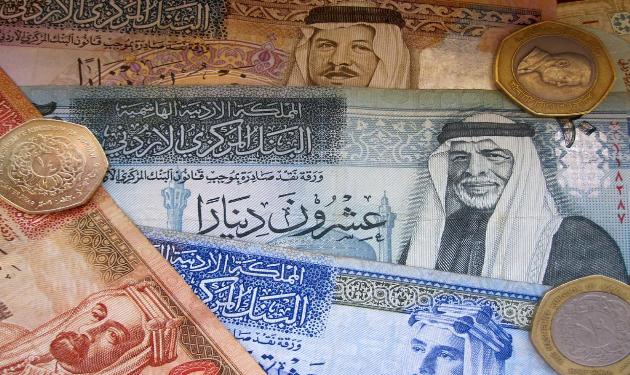
Currency Denominations
Paper Money:
- 0.5 Dinar: Light brown.
- 1 Dinar: Green, featuring an image of the late King Hussein bin Talal.
- 5 Dinars: Light blue, showcasing historical landmarks from Jordan.
- 10 Dinars: Red, depicting King Abdullah I.
- 20 Dinars: Purple, featuring King Abdullah II.
- 50 Dinars: Gold, the largest circulating denomination, highlighting distinctive Jordanian heritage sites.
Coins:
- Available in denominations: ½ dinar, ¼ dinar, 100 fils, 50 fils, and 25 fils, made from metals such as nickel, copper, and bronze.
Market Position of the Jordanian Dinar
The Jordanian dinar is one of the most stable currencies in the Arab region, attributable to the cautious monetary policy of the Central Bank of Jordan.
It also holds a strong position in financial dealings between Jordan and neighboring countries, especially in tourism, trade, and remittances.
The Jordanian currency undergoes periodic design updates and security features to prevent counterfeiting and to keep pace with modern payment systems.
Stay updated with continuous coverage of
gold prices, meat prices, dollar rates, euro rates, currency rates, sports news, Egypt news, economic news, provincial news, political news, accident news, and exclusive follow-up on all global leagues.
